 Correo Electrónico
 DNINFOA - SIA
 Bibliotecas
 Convocatorias
 Identidad UNAL


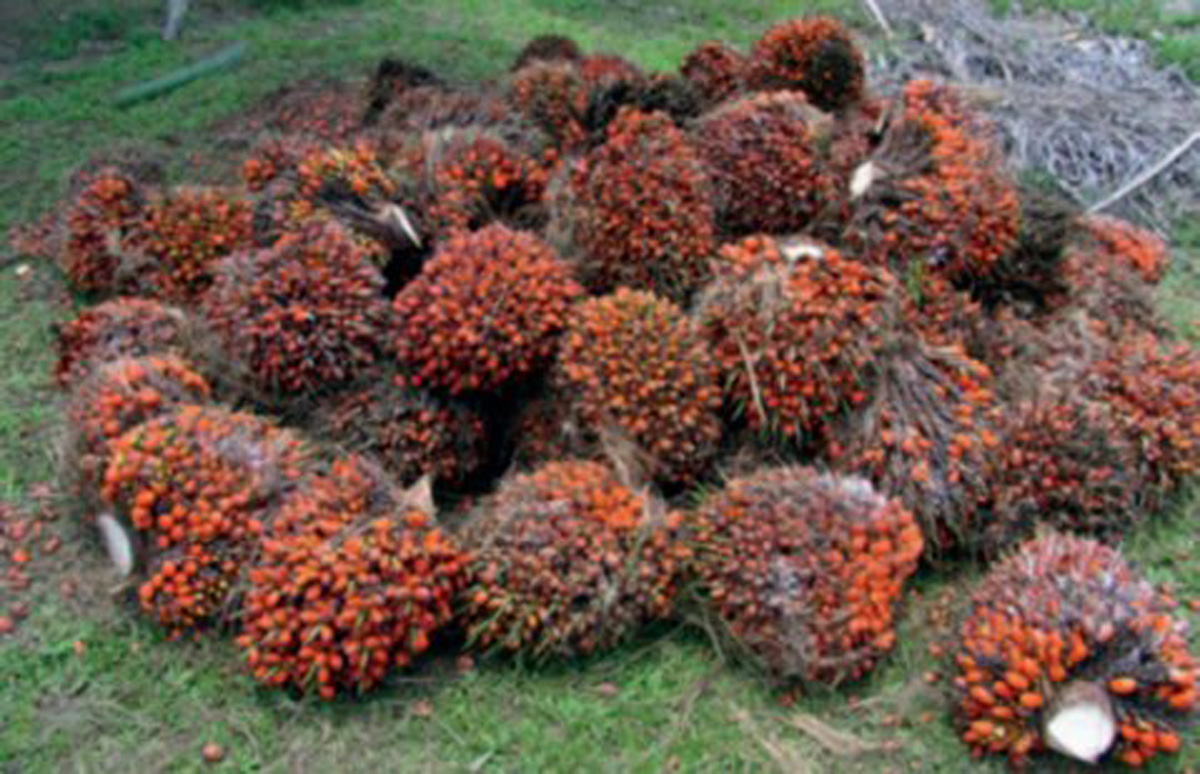
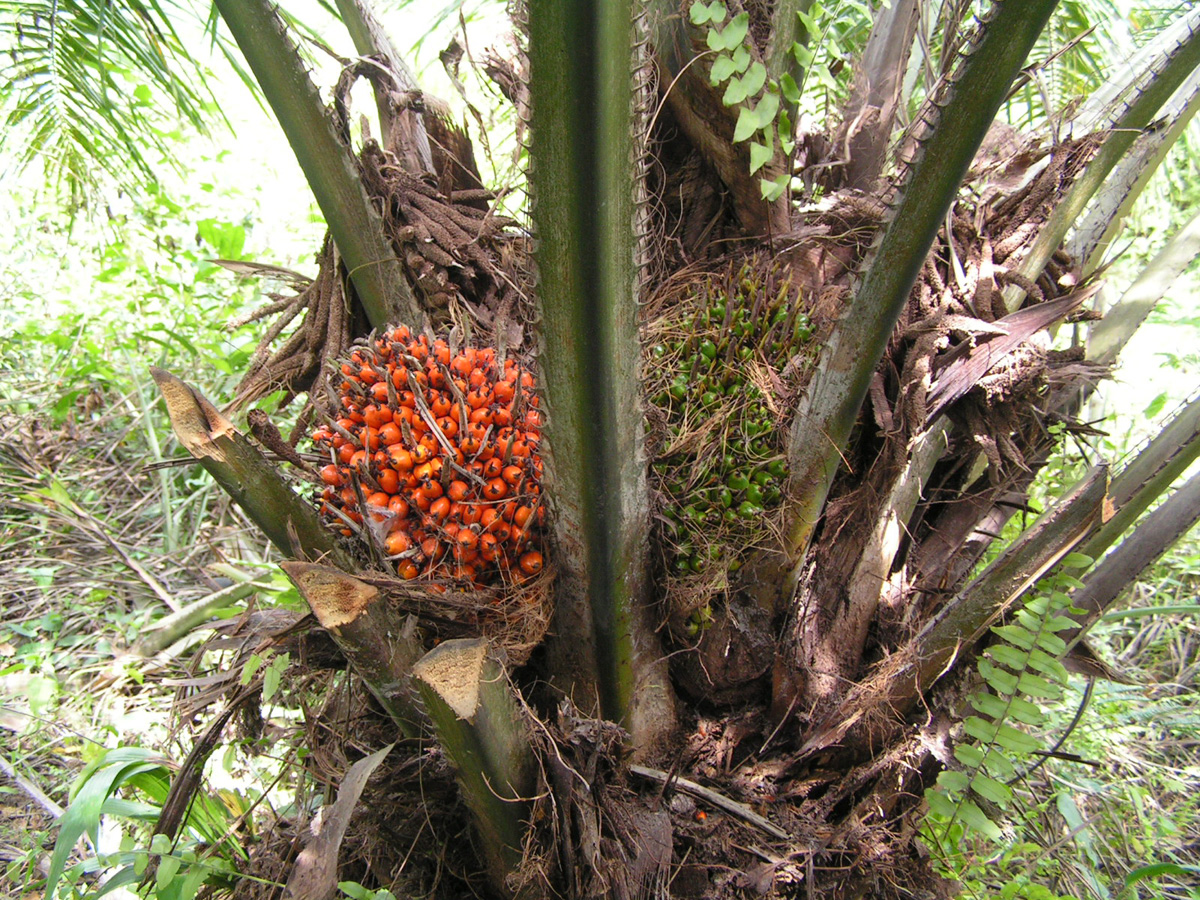
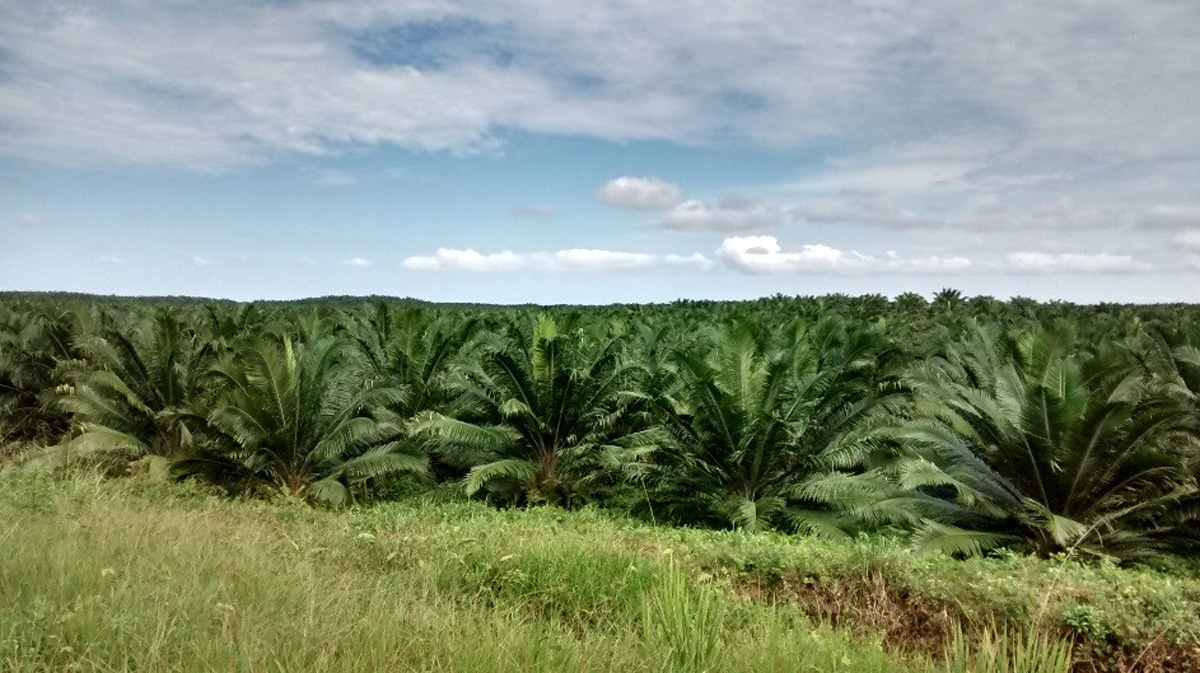
This is one of the main discoveries of a research project carried out by microbiologist Diana Carolina Vélez, and one of nine UNal-Tumaco specialists in Industrial Perennial Crops who just obtained their degree.
Through an in vitro procedure researchers analyzed the bud rot capability of Phytophthora palmivora isolates, the disease causing agent.
Of the 11 isolates identified during the last 8 years by the Colombian Oil Palm Research Center (Cenipalma, for its Spanish acronym) they determined that those coded as PCTU 776, 885, 948 and 1135 were the most aggressive; in other words they produced greater disease structures and induced greater size lesions.
According to Vélez one of the most important contributions of her project consists of limiting the isolates which are going to be tested to assess disease resistance materials; furthermore these discoveries contribute to control progress of Phytophthora palmivora.
The most devastating oil palm disease
To develop her research project Vélez focused her attention to the morphologic and pathogenic characterization of Phytophthora palmivora from a series of 11 isolates discovered in 7 different oil palms of different ages and different disease grave characteristics. Characterization consisted of an in vitro procedure where they observed both the growth speed of the abnormality as well as the capability of the agent to produce pathogenicity in oil palm tissue; the purpose was to see how the agent induced lesions and the amount of reproductive structures of the disease.
Bud rot is the most devastating African oil palm disease, not only in Colombia but also in neighboring countries such as Brazil, Ecuador, Panama and Surinam. It attacks by killing new palm tissues (newly developed spear leaves). Moist and hot climatic conditions as well as elevated rainfall near the city of Tumaco are the preferred habitat of this pathogen.
Back in 2006 a great bud rot epidemic devastated 35,000 hectares (86,486 acres) of Elaeis guineensis oil palm in the Province of Nariño. In 2009, palm growers began to renovate crops with hybrid materials which were a cross between Elaeis guineensis and Elaeis oleífera that had greater resistance to this pathogen. Currently there are approximately 18,000 renovated hectares (44,479 acres) of disease resistant oil palm crops.
However despite the resistance of these palms, there are still cases of this disease, representing great threat to the area.